Economic Impact of Milan’s Escort Industry
When talking about Economic Impact, the measurable effect a sector has on a city’s financial health, job creation, and tax revenue. Also known as financial impact, it tells us how much money moves, where jobs appear, and which policies matter. In Milan, the escort industry, a network of independent and agency‑backed companions offering social, cultural, and intimate services sits at the crossroads of fashion, tourism, and nightlife. The Milan economy, a diversified mix of finance, design, manufacturing, and service sectors that fuels the city’s global reputation feels the ripple whenever a visitor books a companion for a gala or a museum tour. Likewise, tourism, the flow of domestic and international travelers seeking Milan’s art, food, and style often includes a demand for high‑end companionship, linking visitor spending directly to the sector’s earnings. In short, the escort industry drives employment, adds to tax bases, and boosts ancillary businesses – a classic case where economic impact encompasses job creation, consumer spending, and urban vibrancy.
Why the Economic Impact Matters
The escort industry’s contribution to the luxury services, premium offerings such as private dining, exclusive events, and bespoke travel experiences market is harder to overlook. High‑end escorts often partner with five‑star hotels, upscale restaurants, and fashion houses, funneling client dollars into these establishments. This partnership creates a feedback loop: more affluent visitors book escorts, which in turn raises demand for luxury venues, prompting them to expand staff and services. The sector also supports indirect jobs – from makeup artists and stylists to translators and security personnel – showing that the escort industry requires a skilled support network. Legal frameworks play a pivotal role, too; clear regulations ensure safe transactions, protect workers, and guarantee that tax contributions are recorded, letting the city reap the benefits without compromising safety. Data from recent surveys indicate that escort‑related spending accounts for a noticeable slice of Milan’s hospitality revenue, especially during fashion weeks and major corporate events.
Looking ahead, technology is reshaping how this economic engine operates. Mobile apps and online platforms have streamlined booking, widened reach, and introduced transparent pricing, which boosts client confidence and drives higher volume. As digital payments become the norm, tax collection becomes more efficient, further solidifying the sector’s fiscal contribution. Meanwhile, shifting societal attitudes are turning escort services into a recognized part of Milan’s service portfolio rather than a fringe activity, opening doors for new partnerships with cultural institutions and tourism boards. All these factors combine to create a dynamic, growing financial footprint that’s set to expand as Milan continues to position itself as a global luxury destination. Below you’ll find a curated collection of articles that break down each facet – from employment stats and tax insights to future trends and the role of technology – giving you a full picture of how the escort industry fuels Milan’s economy.
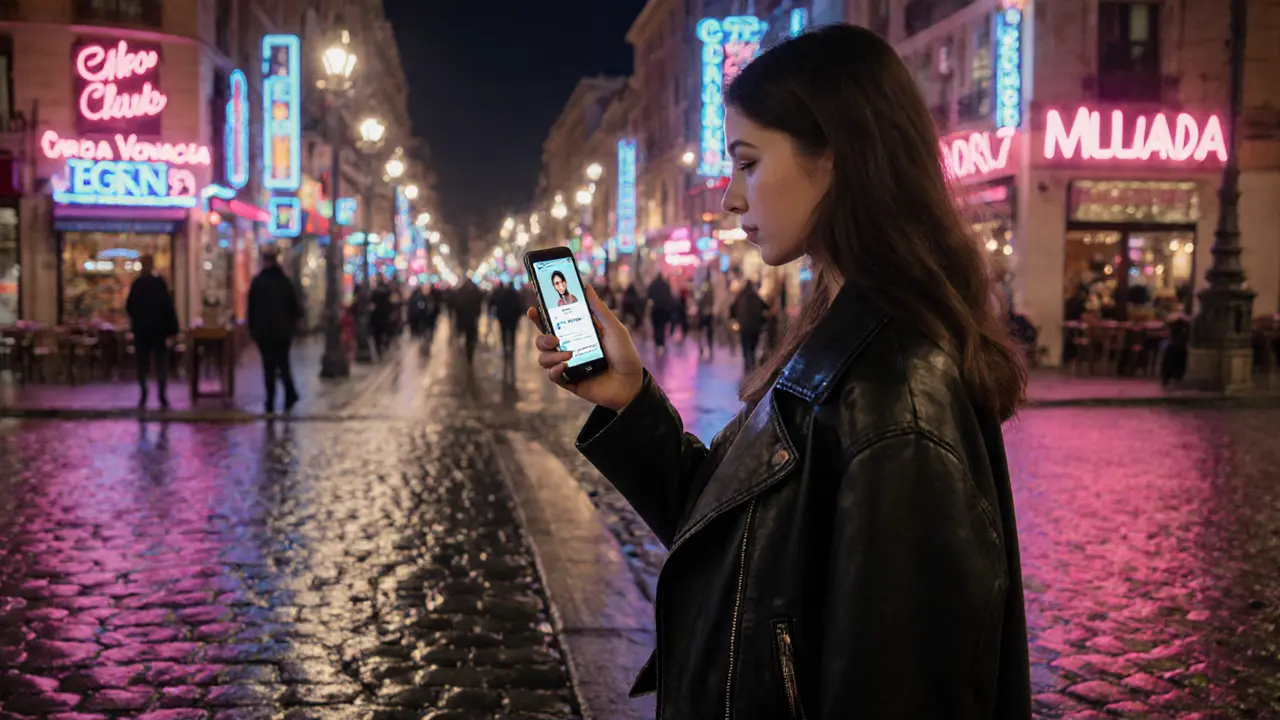
How the Gig Economy Is Reshaping Milan’s Escort Industry
Explore how gig‑style platforms are changing earnings, safety, and legal status for Milan escorts, with data, timelines, and future tech trends.